 01639 852 502

Introduction
Sustainability in public infrastructure depends on several core principles, particularly when specifying sustainable aluminium columns. These include material selection, manufacturing, transport, installation and product durability.
Together, these factors influence whole-life carbon, long-term performance and value for money in public infrastructure projects. We design our sustainable aluminium columns with all of these considerations in mind.
This approach supports more sustainable outcomes across public lighting, CCTV and multi-use public realm installations.
Sustainability is no longer a future ambition within the public sector. Public bodies now embed it within tender requirements, procurement frameworks and project specifications. As a result, many suppliers focus on meeting minimum sustainability criteria to demonstrate compliance.
At ALC, sustainability has guided how we design, source and manufacture aluminium columns for decades. This long-term approach allows us to consider environmental impact across the full lifecycle of our products, rather than at individual stages of production or delivery.
By taking a whole-life approach, we closely reflect the principles set out in PAS 2080 (a baseline requirement for working on National Highways projects from the end of 2025) and Net Zero frameworks.
These frameworks focus on reducing whole-life carbon through informed material selection, durable design and long-term value. As a result, sustainability plays an active role in specification decisions, risk management and long-term asset performance.
Material Selection for Sustainable Aluminium Columns
For many construction products, raw materials create the greatest environmental impact. Energy use, CO₂ emissions and land use at this stage have a lasting effect on a product’s overall footprint.
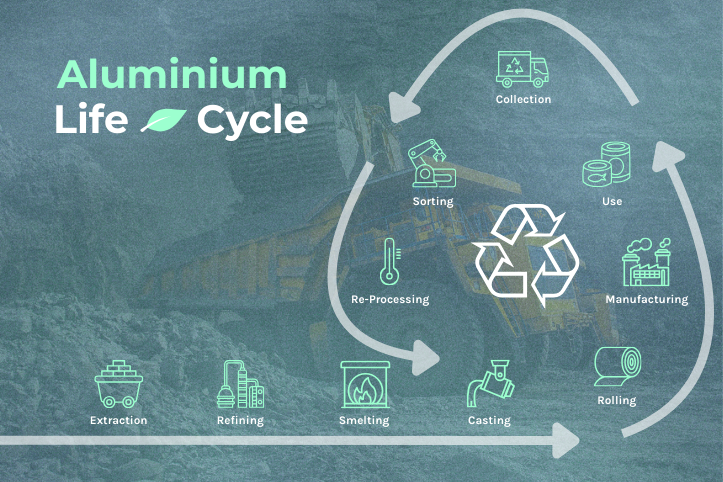
At ALC, we manufacture our sustainable aluminium columns using aluminium with a high recycled content.
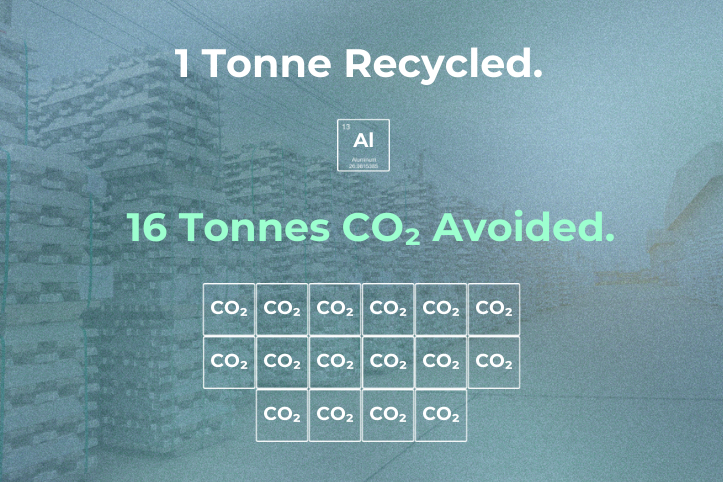
Recycled aluminium requires up to 95% less energy to produce than primary aluminium.
It also retains a high economic value at the end of its life. This encourages recovery and recycling and reduces reliance on energy-intensive primary extraction.
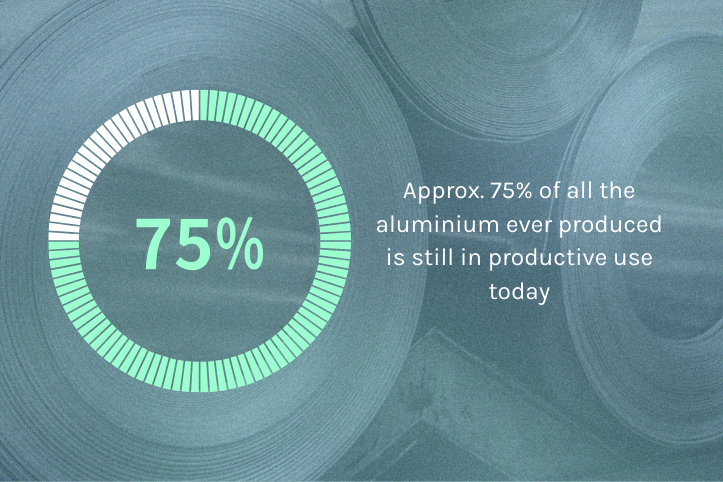
Aluminium also offers advantages beyond recyclability. Its natural resistance to corrosion and degradation supports the long-term performance of columns, even in challenging ground conditions and exposed environments.
This helps extend service life and reduces premature replacement.
However, material choice alone does not define sustainability. To deliver meaningful environmental benefits, manufacturers must manage how they use raw materials and ensure those benefits carry through manufacturing and into the finished product.
Manufacturing & Supply Chain
This is where the environmental credentials of any supplier become most apparent. A strong sustainability culture focuses on reducing waste, managing environmental risks and improving efficiency over time.
Our accreditation to ISO 14001 demonstrates that this approach is supported by a structured environmental management system. Through this system, we actively monitor and manage energy use, waste, emissions and resource efficiency throughout the manufacture of sustainable aluminium columns.
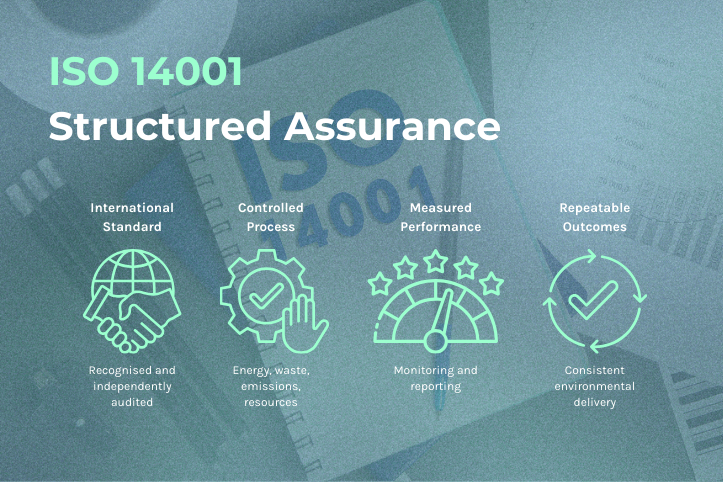
This systematic approach gives clients confidence that our environmental performance remains consistent, measurable and well controlled. It also helps reduce risk and supports repeatable outcomes across different projects.
By combining aluminium with a high recycled content and ISO 14001–accredited processes, we address environmental performance not only through material choice, but also through how we manufacture our products.
Supply Chain Responsibility
Sustainability commitments must extend beyond our own operations. For this reason, we work closely with supply chain partners who can demonstrate independently verified environmental and ethical standards.
At our extrusion supplier, Nedal Aluminium B.V., sustainability is a clear priority. Their environmental credentials include:
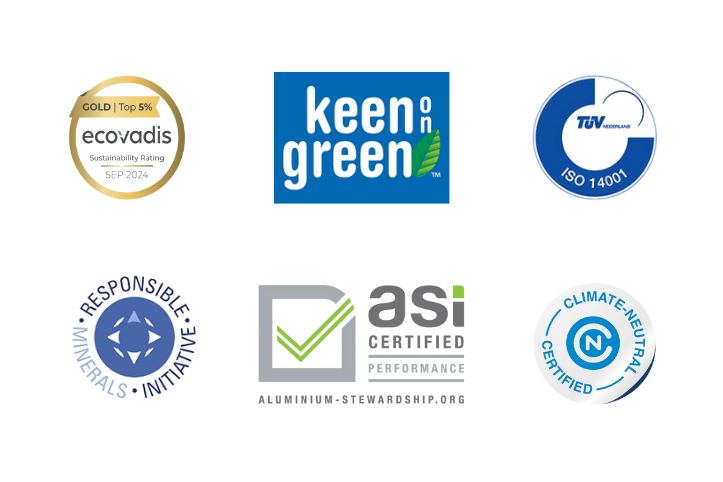
Further information on aluminium and sustainability can be found on our Why Aluminium page. Additional detail on Nedal’s environmental credentials is available through their Sustainability and Certifications pages.
Transport & Installation
Transport and installation often receive less attention than material selection and manufacturing. However, they can have a significant impact on the overall sustainability of a project.
Aluminium has a low density, which means less weight for transport.
This applies both to raw materials and to the delivery of the finished product. Compared with heavier materials such as steel, reduced transport weight lowers fuel use and associated CO₂ emissions.
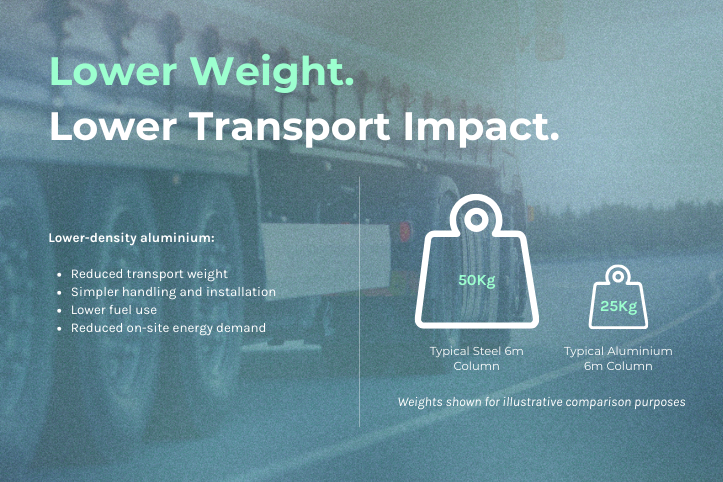
Transport efficiency is particularly important in urban and public-realm environments. Restricted access, traffic management and multiple site visits can increase both environmental impact and operational disruption during installation and maintenance.
Lighter sustainable aluminium columns also simplify handling and installation. They reduce the need for heavy lifting equipment and help minimise on-site energy use.
In addition, rather than making separate deliveries for finished orders, ALC plans routes to combine multiple customer drops into a single journey. This reduces vehicle miles, cuts fuel use, and lowers associated CO₂ emissions.
When considered across the full scale and lifespan of public infrastructure projects, these transport-related efficiencies make a meaningful contribution to overall carbon reduction.
Sustainable Aluminium Columns for Product Durability and Whole-Life Performance
Product durability plays a key role in sustainable infrastructure. Sustainable aluminium columns that perform reliably over long service lives help reduce material use, energy consumption and operational disruption over time.
Initial cost considerations have historically driven a disposable approach in both public procurement and private consumption. In infrastructure projects, this mindset often leads to higher whole-life costs, increased maintenance activity and greater environmental impact across an asset’s service life.
For columns supporting lighting, CCTV and other public infrastructure, this means looking beyond upfront cost. Long-term performance, maintenance requirements and replacement cycles all need careful consideration.
Durable sustainable aluminium columns reduce site visits, limit the need for component replacement and extend service life. This delivers clear environmental benefits alongside operational efficiencies.
Extending service life also avoids the embodied carbon linked to manufacturing and transporting replacement assets. For this reason, durability makes an important contribution to whole-life carbon reduction.
Consistent product quality underpins long-term durability.
Our ISO 9001 accreditation supports a controlled and repeatable manufacturing process. It ensures materials, fabrication and finishing meet defined standards, reducing variability and improving reliability over time.
When combined with high recycled-content aluminium and responsible production practices, this focus on durability supports a whole-life approach to sustainability. It helps reduce resource consumption, lower maintenance-related emissions and deliver more resilient public infrastructure.
Summary: Sustainable Aluminium Columns in Public Infrastructure
By addressing sustainability across material selection, manufacturing, transport and durability, informed specification decisions can deliver infrastructure that performs reliably while supporting long-term environmental objectives.
Public infrastructure assets often need to operate safely and effectively for decades. A whole-life approach to sustainability helps achieve this goal.
When decision-makers consider environmental impact alongside performance, maintenance needs and replacement cycles, they can reduce carbon, limit disruption and deliver greater long-term value.
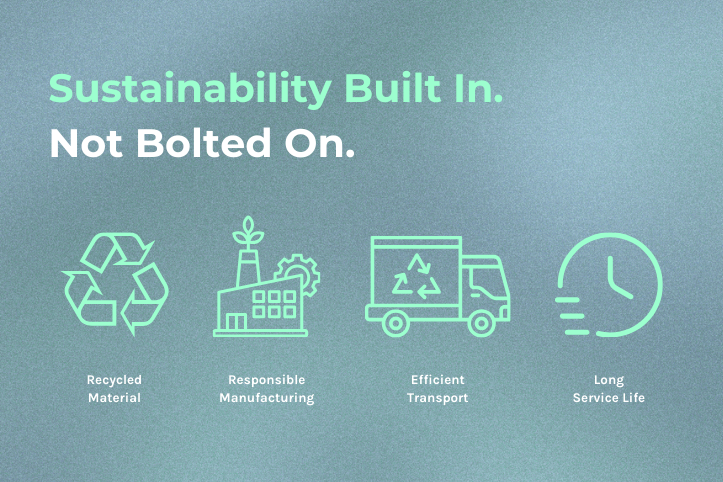
Sustainable aluminium columns with high recycled content, durable engineering and controlled manufacturing processes provide a practical way to meet these requirements.
When sustainability is embedded at every stage, from sourcing and production through to installation and long-term use, it becomes a measurable outcome rather than a compliance exercise.
Ultimately, sustainable public infrastructure depends on informed choices made at the specification stage. By prioritising whole-life performance and responsible design, projects can deliver resilient assets that meet today’s needs while supporting long-term environmental goals.
If you would like to explore how sustainable aluminium columns can support your project requirements, our team is available to provide specification guidance and technical support.